

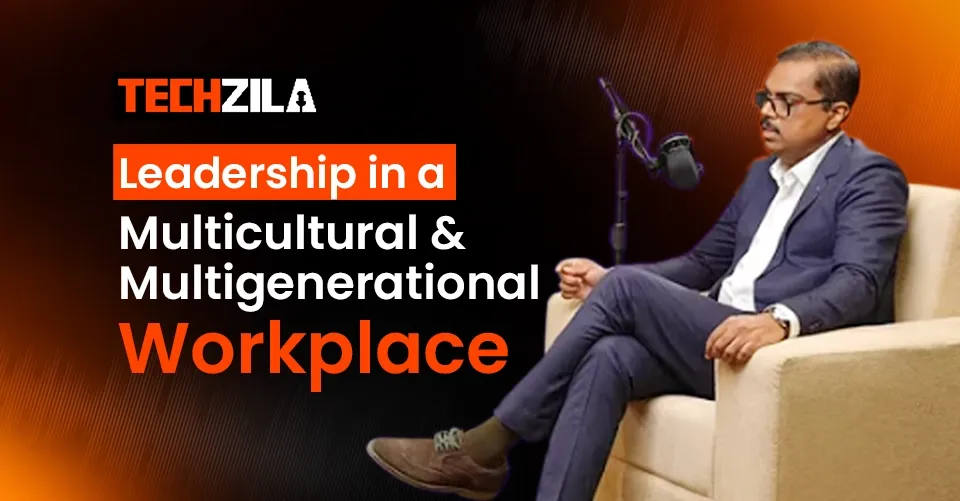
Managing Multicultural and Multigenerational Teams: Leadership Insights from Binu Bhasuran
Binu Bhasuran
November 18, 2026
Explore Binu Bhasuran's leadership insights on managing multicultural and multigenerational teams, understanding employees and building independent teams.
How can leaders bring together people from different generations, cultures and language backgrounds while building a team that works towards shared goals?
A workplace brings together people with different experiences, communication styles, expectations and ways of approaching their responsibilities. As organisations grow and teams become more diverse, managing these differences becomes an important part of leadership. What motivates one employee may not have the same effect on another. Similarly, a communication style that feels natural to one person may be unfamiliar to someone from a different cultural or geographical background.
These differences are more visible in organisations with employees from multiple states and generations. Leaders must understand the people they work with rather than expect everyone to respond to the same processes and management approaches.
This is one of the key topics explored in our podcast conversation with Binu Bhasuran, CEO and founder of Elixr Labs, the health tech company. Drawing from his experience of managing a team representing different states in India, he discusses the challenges of working across cultural and generational differences, the importance of understanding employees and the role of team building in business growth.
Managing Teams of Different Cultural and Language Backgrounds
When employees come from different parts of a country, they bring more than their professional skills into the workplace. Their language, cultural experiences, communication habits and everyday interactions can also influence how they work with others.
At Elixr Labs, the team includes people from different states in India. Managing such a multicultural and multilingual working environment comes with its own challenges. Employees may have different ways of expressing ideas, starting conversations, sharing feedback and approaching workplace interactions. What feels familiar and comfortable to one person may not come naturally to another.
Communication is one area where these differences become particularly noticeable. For example, the way people begin conversations can vary across cultures. When some people prefer to establish the context before moving into a discussion, others, especially from the South side of India, prefer starting conversations more directly, even without much introduction or background. Neither approach is necessarily right or wrong. They reflect different communication habits shaped by people's experiences and environments.
For leaders, this means looking beyond the words being communicated and understanding how people approach communication. Recognising these differences can help avoid misunderstandings and make everyday workplace interactions easier.
A multicultural team does not automatically work as one simply because everyone shares the same workplace. People need to understand one another, adapt to different communication styles and find ways to work together. This requires awareness and an openness to learning from the people around them.
Understanding Generational Differences in the Workplace
Cultural diversity is only one part of managing a modern workforce. Generational differences add another layer to the way people interact, communicate and respond to workplace expectations.
Today, we have employees from different generations working together, including Millennials and Gen Z. Although they may share the same professional environment, their experiences growing up can be quite different. These experiences can influence their expectations, interests and approaches to work.
As Binu Bhasuran explains, the economic and social conditions people experience while growing up can shape their outlook. Those born before or around the year 2000 may have grown up in a period when the country's economic conditions and available facilities were different from what younger generations experience today. For many, those circumstances may have influenced how they viewed opportunities, resources and financial stability.
Younger generations, on the other hand, have grown up during a period of economic improvement and wider access to technology. So, the digital platforms and technology were a familiar part of their everyday life. These differences can influence what employees expect from their workplace and what they find motivating. This is why understanding generational differences matters in people management.
Building a Team That Can Work Independently
While understanding individual differences is important, a leader also needs to bring people together around shared responsibilities. A diverse workforce can only contribute effectively when employees are able to work as a team.
The ability to build a successful team is the core skill required to build a successful business. As an organisation grows, a leader cannot be personally involved in every activity or oversee every decision. The team must be capable of handling its responsibilities and managing its work without depending on constant direction. Binu explains that this understanding has developed through experience. Over time, he has built and refined his own process for team building. The process continues to evolve as the organisation and its requirements change.
An important part of this approach is developing employees who are self-motivated, self-focused and self-managed. They should understand their responsibilities and be able to manage their work even when the leader is not physically present.
This is relevant when an organisation operates across multiple locations. Elixr Labs operates different offices in India, and managing them from one location would not be possible without dependable teams in each office. The people leading those teams need to understand how to manage their responsibilities and keep work moving forward. Building that level of ownership and independence is an important part of creating a team that can support business growth.
Leadership Begins with Understanding People
As Binu points out, leaders have to stay connected with their teams, understand their pulse and work with them. This requires paying attention to how people respond, what matters to them and what helps them remain engaged. It involves looking beyond work updates and task completion to understand the people carrying out those responsibilities. Regular conversations, listening to different opinions and noticing how employees approach challenges can help leaders develop a clearer understanding of their teams.
It also calls for a willingness to keep learning. Managing people is not a skill that can be developed once and applied in exactly the same way throughout a career. Instead of relying entirely on past experience, leaders need to remain open to new perspectives and adjust their approach as their teams evolve.
The leader's role is not simply to bring people together but to understand how their different strengths and perspectives can contribute to the organisation. When people feel understood and are clear about their responsibilities, it becomes easier to build trust, encourage ownership and create a sense of shared direction.
How do you bring out the best in people with different perspectives and ways of working?
Explore More Topics
Related Blogs
Why Working in Smaller Organisations Can Give You a Bigger Picture of Business Opportunities: A Conversation with Binu Bhasuran
Discover how working in smaller organisations can broaden your business understanding, offer diverse experiences and reveal opportunities beyond your job role.
Read More
Entrepreneurship Isn't a Sprint - It's a Marathon
How to build a successful business with perseverance and balance and how founders become successful
Read More
The Triassic Story: Two Decades of Innovation Against the Odds
How Sivakumar SK, an entrepreneur from Kerala started his business journey and built Triassic solutions
Read More